OUR SPEAKERS – 2026 SYMPOSIUM
SKIN & INTERFACES
Decoding the living network
Cosmetic science has moved beyond the stage of fragmented analysis of the skin.
Today, we no longer consider genomics, proteomics or the microbiome in isolation; we are entering the era of a new ‘interactome’, and the time has come to decode this new living network that is the skin.
This new edition of the SFC International Symposium will bring together researchers and experts whose work is shaping the future of cosmetics. Their presentations, delivered in English, will open up new perspectives for the sector’s future on the following key themes: Tissue interfaces and host-microbiota dialogue, the Hair-scalp ecosystem, the Skin-brain axis & neuroscience, Nature as a partner, Digital & augmented interfaces.

Marc VOCANSON
CIRI (International Center for Infectiology Research) / Immunologist
FRANCE
Understanding Local Immune Memory at the Heart of Inflammatory Skin Diseases
Why do inflammatory skin diseases preferentially recur at the same site? This presentation unravels the key role of tissue-resident memory T cells and the mechanisms governing their persistence in the skin, thereby paving the way for new therapeutic strategies to limit recurrences.
BIOGRAPHY
Dr. Marc Vocanson is an immunologist at the International Center for Infectiology Research (CIRI) in Lyon. An INSERM Research Director, he leads the “Epidermal Immunity and Allergy” team at CIRI. His research focuses on the immunological mechanisms involved in allergic skin diseases—specifically eczema (allergic contact dermatitis and atopic dermatitis) and drug allergies. His work aims in particular to understand how environmental allergens—whether chemical substances, medications, or proteins—can disrupt immune tolerance and trigger allergic responses in the skin. His team conducts translational research in close collaboration with the Department of Allergology and Clinical Immunology at Lyon-Sud Hospital, with the goal of developing new diagnostic and therapeutic approaches.

Thierry PASSERON
CHU NICE / Professor, Head & Chair of Department of Dermatology
FRANCE
The Impact of the Exposome on Skin Ageing
The skin is an organ that is particularly susceptible to the exposome. The impact on skin ageing of key exposome factors – such as solar radiation, as well as pollution, smoking, diet, stress and lack of sleep – will be discussed.
BIOPIC
Thierry Passeron, MD, PhD, is Professor, head and chair of the department of Dermatology in the University hospital of Nice, France. He also heads an INSERM laboratory.
He holds more than 440 publications (h-index 68). He is the co-founder of NIKAIA Pharmaceuticals and founder of SUNLUTION. His research fields include pigmentary disorders, photoprotection, alopecia areata, and lasers.

Gordy PLEYERS
UCLouvain & Mind Insights / Professor & Scientific Coordinator
BELGIUM
“Neurocosmetics”: A Critical Scientific Perspective on the Challenges of Demonstrating Effects on Well-being
Lecture co-presented avec Nicolas VERMEULEN. Commercial claims about neurocosmetics promise improved well-being. However, in light of scientific research, demonstrating such effects poses a particularly complex challenge: It requires specialized scientific expertise, rigorous study designs, and advanced equipment to measure individuals’ responses reliably and control the many factors that could otherwise compromise the study’s validity.
BIOPIC
Gordy Pleyers is a scientific expert in analyzing and influencing individuals’ reactions to cosmetic products and fragrances, whether arising from product use or packaging design. He is a professor at the Catholic University of Louvain and coordinator of the scientific organization Mind Insights.
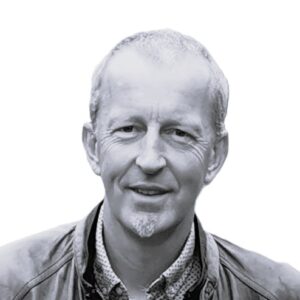
Nicolas VERMEULEN
UCLouvain / Professor
BELGIUM
“Neurocosmetics”: A Critical Scientific Perspective on the Challenges of Demonstrating Effects on Well-being
Lecture co-presented with Gordy Pleyers. Commercial claims about neurocosmetics promise improved well-being. However, in light of scientific research, demonstrating such effects poses a particularly complex challenge: It requires specialized scientific expertise, rigorous study designs, and advanced equipment to measure individuals’ responses reliably and control the many factors that could otherwise compromise the study’s validity.
BIOPIC
Nicolas Vermeulen is Professor at UCLouvain. His research investigates how emotions, bodily signals, attention, and cognition jointly shape human perception, self-understanding, and decision-making.
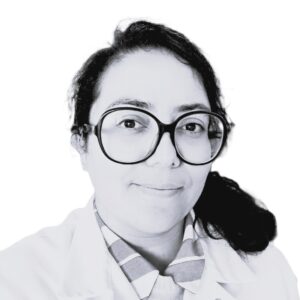
Rached ISMAIL
CBSA & Cosmetomics@URN / Associate Professor & Scientific Lead
FRANCE
Scalp Microbiota: a Skin Microbiota Closer to ‘Us’
The human scalp harbors a distinct lipid-rich microbiota. Yet, its composition, functions and interactions remain under-characterized. Recent studies suggest that the way this microbiota interacts with its host could impact more than our scalp homeostasis and hair health.
BIOPIC
Rached Ismail is associate professor at the University of Rouen Normandie and in the CBSA laboratory. She is the scientific lead of the expertise center Cosmetomics@URN and works on the communication and interactions between the skin microbiota and the skin.

Michel GRISEL
University LE HAVRE NORMANDIE / Professor
FRANCE
Physicochemistry of Skin Surfaces and Interfaces
After a presentation of skin characteristics and surface properties, this session proposes an overview of the most relevant available methods to characterize them and the highlighting of certain skin disorders.
BIOPIC
Michel Grisel is a Professor at Université Le Havre Normandy, currently involved in a number of collaborations with academics and companies. Research interests highly related to cosmetic field: natural raw materials, soft matter, colloids, formulation technologies, rheology and texture analysis, surfaces and interfaces science

Julie PERSON
CEA / Industrial Partnership Manager
FRANCE
Algae: From Life’s Origin to Solutions for the Future
From the origins of life to tomorrow’s innovations, algae offer remarkable biological diversity and potential. This presentation explores their planetary role, unique bioactive compounds, industrial challenges, and emerging applications in cosmetics, nutrition and well-being, and sustainable innovation.
BIOPIC
Julie Person is a Green Chemistry Engineer with a Master’s in International Business Strategy. As Industrial Partnership Manager for CEA’s Algae Platform, she builds research–industry collaborations to accelerate innovative, sustainable algae-based solutions, with a particular focus on the cosmetics sector.

Marta BERTOLINI
QIMA / Managing Director
GERMANY
Root to Tip: Where Follicle, Scalp and Fibre Meet
Every hair is the last chapter of a story that begins in the follicle and is written with the scalp. From root to tip, the talk explores how immunity, metabolism, nerves, ageing and the environment decide the hair we see.
BIOPIC
Dr. Marta Bertolini, PhD, Managing Director of QIMA Monasterium (QIMA Life Sciences), is a hair and skin immunodermatology expert with 80+ publications. EHRS board member, Expertscape-nominated World Expert “Hair”, Henkel Martha Schwarzkopf Award winner, she advances cosmetic innovation through translational research.

Pierre BONETTI
AD Cosmetics / Founder & CEO
SWITZERLAND
From Clinical Regenerative Medicine to Cosmetics: Translating Biological Signaling into Safe Innovation
Drawing on regenerative medicine techniques, this presentation explores how supporting skin quality over time can promote a more favorable skinspan trajectory, and how these scientific concepts can be translated into safe, effective, and accessible daily skincare rituals.
BIOPIC
Dr Pierre Bonetti is a Swiss physician and entrepreneur specializing in facial rejuvenation using autologous stem-cell techniques and advanced medical laser technologies. His work focuses on personalized assessment and monitoring of skin quality to support an optimal long-term skinspan trajectory.

VijayKumar PATRA
L’ORÉAL R&I / Skin & Scalp Microbiome Scientist
FRANCE
Role of Malassezia Secreted Aspartic Proteases in Scalp Barrier Integrity
BIOPIC
Dr. VijayKumar Patra PhD, HDR, is a senior scientist at L’Oréal Research & Innovation in France. His research explores skin microbiomes, photoimmunology, and host–microbiome interactions, focusing on how environmental exposures and microbes shape skin and scalp immunity, inflammation, and health.

Marc FEUILLOLEY
University ROUEN NORMANDIE / Professor Emeritus
FRANCE
Impact of the Neurohormone CGRP on the Regulatory Potential of a Commensal Scalp Bacterium on Inflammation and Hair Cycling Control Proteins Expression
The neurohormone calcitonin gene related hormone (CGRP) is abundant in the scalp where it plays key roles, but it can be also acting on cutaneous bacteria. In this work, we present a newly identified strain of Bacillus licheniformis with commensal profile that react to CGRP by an increase in inflammatory potential and appears capable to modulate expression of proteins essential in hair dynamics.
BIOPIC
Marc Feuilloley is currently Emeritus Professor at the University of Rouen Normandy. He served as Director of the Microbiology, Signals, and Microenvironment Laboratory (LMSM EA4312) for 12 years, subsequently leading the “Communication and the Human Microbiota” team (UR4312 CBSA) and the Cosmetomics@URN Center of Expertise and created CosmetoMicrobiomic Consulting. He specializes in the study of interactions between the skin microbiota, cosmetics and the skin itself. He developed the concept of Cutaneous Microbial Endocrinology and has authored over 260 articles in international journals. (h-index: 54)

Jean-Marie BOTTO
EDENAE Phytoconsulting / Scientific Director
FRANCE
From Geroscience to Skin Longevity: In Silico Prediction and Validation
This presentation examines how geroscience can reshape our understanding of skin aging. By connecting hallmarks of aging with cutaneous biology, it explores how in silico prediction, mechanistic biomarkers and experimental models can support the development and validation of skin longevity strategies.
BIOPIC
Jean-Marie Botto, PhD, is a pharmacologist and Scientific Director of EDENAE. His work focuses on botanical active ingredients, combining extraction, in silico prediction and experimental validation in vitro to investigate skin biology, cellular stress, aging and longevity.
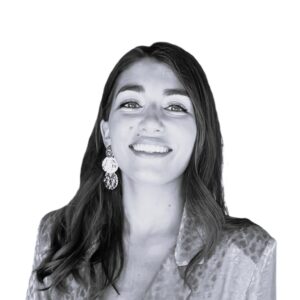
Silvia BENITO
PROVITAL / Science Communication Manager
SPAIN
Pioneering Single-Cell Transcriptomics in Reconstructed Human Skin Models for Precision Cosmetic Research
Single-cell RNA sequencing (scRNA-seq) offers new avenues to decode the skin interactome by resolving tissue heterogeneity and intercellular communications. Here, we present one of its first applications to reconstructed human skin models, demonstrating that a pigmented epidermal equivalent recapitulates keratinocyte diversity and differentiation states.
Furthermore, cell–cell communication analysis uncovered a signaling axis (L1CAM–EZR) linking melanocyte–keratinocyte crosstalk to epidermal development. This technology paves the way for cell-specific biomarker discovery, mechanistic evaluation of cosmetic actives and precision skin research.
BIOPIC
Silvia Benito holds a PhD in Cellular and Molecular Biology from Institut Curie and PSL University of Paris. She established innovative cellular models to advance knowledge on skin pigmentation and photoprotection, collaborating with industrials, publishing in prestigious journals, and being recognized by scientific awards. Now, as Science Communication Manager, she develops strategies to enhance the visibility of Provital’s research and innovation.

Lauriane IMBERT-ROUX
GREENTECH / Head of the Biology Laboratory
FRANCE
In Vitro 3D Neuro-mimetic Human Skin Model reveals a Tissue-level Role of Neuronal RGMB Signalling in Focal Hyperpigmentation and Pigmentary Ageing
This study evaluated the tissue-level role of sensory neuron-derived Repulsive Guidance Molecule B (RGMB) in focal hyperpigmentation using a full-thickness 3D reconstructed human pigmented skin model.
Recombinant RGMB progressively remodeled epidermal architecture, increased the overall pigmentary index, enhanced melanocyte dendricity, and promoted vertical melanin redistribution into suprabasal layers alongside peripheral Rab27a localization. Concomitant UVB exposure amplified these effects, demonstrating that neuronal RGMB signaling regulates melanosome trafficking and maintains focal hyperpigmented phenotypes characteristic of solar lentigines.
BIOPIC
After obtaining her PhD in Biotherapies from Paris Descartes University, Lauriane Imbert-Roux joined CHANEL Perfume & Beauty as a skin researcher. She joined GREENTECH as manager of the Biology lab 4 years ago in charge of the development of natural and innovative cosmetic active ingredients through biological and clinical assessments of their performance.
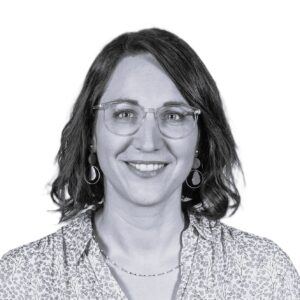
Laurie VERZEAUX
SILAB / Scientific communication manager
FRANCE
Latest Insights into Selective Autophagy for Skin Cell Detoxication
Autophagy ensures continuous recycling of dysfunctional cellular components. SILAB’s research revealed its key role in detoxification, as well as its declining efficacy with age. Beyond general autophagy, selective autophagy targets specific elements.
Mitophagy eliminates damaged mitochondria, while ferritinophagy releases iron essential for cellular functions. Ferritinophagy impairment leads to the decrease in iron bioavailability. Upon UV exposure, iron-ferritin complexes are broken down, leading to a significant oxidative stress.
Targeting both general and selective autophagy preserves cellular homeostasis and detoxifies the skin.BIOPIC
Doctor in cellular and molecular biology, Laurie VERZEAUX, PhD defended her PhD at the University of Reims Champagne-Ardenne in 2015. She joined SILAB in 2016 and after a few years spent in innovation management, where she followed the development of natural active ingredients, she is currently Scientific Communication Manager. This job involves promoting the company’s technical and scientific results in the press and at national and international conferences.
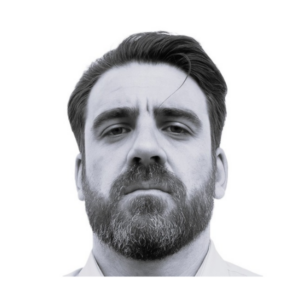
Geoffroy TOUSCH
SOLABIA / Scientific Project Manager
FRANCE
Beyond Exosomes: Stress-Adapted Plant Strategy as a Regulator of Skin Neuro-Pigmentation
Extracellular vesicles (EVs), including exosomes, are universal biological messengers across kingdoms. In plants, EV-mediated signaling contributes to adaptive responses against environmental stresses such as UV radiation, drought, and pathogens.
Lemon thyme (Thymus citriodorus), a Mediterranean plant naturally resilient to intense sunlight and abiotic stress, represents a valuable source of stress-associated biological signals. We investigated whether an EV-enriched lemon thyme extract could modulate neuro and cutaneous communication pathways involved in post inflammatory hyperpigmentation leading to melanin overproduction.
BIOPIC
After completing pharmacy studies at the University of Montpellier and earning a Master’s degree in Drug Sciences with a specialization in Aging and Anti-Aging Strategies, Geoffroy Tousch developed expertise in skin biology and aging mechanisms. Following research experience at INSERM and work at Clarins, he joined Solabia, where he currently leads innovation projects focused on cosmetic active ingredients and skin biology.

Mayoura KEOPHIPHATH
DIVA Expertise / Founder & CEO
FRANCE
Smart-FAT: an Innovative and Predictive Screening Model Mimicking Cross-talk Between Human Sensory Neurons and Adipose Cells
Lecture co-presented with Elodie Gras Lavigne. Two innovative human coculture models combining hiPSC-derived sensory neurons with preadipocytes or mature adipocytes were developed to investigate neuro-adipose interactions.
Functional sensory neurons expressed adiponectin receptors and perilipin, suggesting novel neuro-adipose communication pathways. Coculture reduced preadipocyte differentiation markers and lipid accumulation, while mature adipocytes retained metabolic responsiveness to pharmacological stimulation. These findings highlight bidirectional interactions between sensory neurons and adipose cells, providing relevant in vitro tools for investigating skin homeostasis and evaluating dermocosmetic ingredients targeting adipose tissue remodeling.
BIOPIC
Mayoura KEOPHIPHATH is the founder and the CEO of the French BioTech DIVA EXPERTISE, a Global Leader in the Applied Research on Human Adipose Tissue.
With a doctorate in Physiology and Physiopathology, an engineering degree in nutraceuticals and a specialization in clinical investigation, Mayoura has developed a large and strong expertise and know-how in the biology of human adipose tissue and in the preclinical and clinical evaluation of health, beauty and well-being products. Innovating and developing 3D models that are increasingly closer to physiological reality are real challenges that she wanted to bring together by creating DIVA EXPERTISE whose aims are to develop biomimetic and predictive adipose models and to support Health, Nutrition and Cosmetics industries in their Research and Development of efficient products.
Élodie GRAS LAVIGNE
NEURON EXPERTS / COO & Head of Neurodermatology
FRANCE
Smart-FAT: an Innovative and Predictive Screening Model Mimicking Cross-talk Between Human Sensory Neurons and Adipose Cells
Lecture co-presented with Mayoura KEOPHIPHATH. Two innovative human coculture models combining hiPSC-derived sensory neurons with preadipocytes or mature adipocytes were developed to investigate neuro-adipose interactions.
Functional sensory neurons expressed adiponectin receptors and perilipin, suggesting novel neuro-adipose communication pathways. Coculture reduced preadipocyte differentiation markers and lipid accumulation, while mature adipocytes retained metabolic responsiveness to pharmacological stimulation. These findings highlight bidirectional interactions between sensory neurons and adipose cells, providing relevant in vitro tools for investigating skin homeostasis and evaluating dermocosmetic ingredients targeting adipose tissue remodeling.
BIOPIC
Elodie Gras Lavigne is COO and Head of Neurodermatology at Neuron Experts. A biology engineer with over 13 years of experience in neurodermatology, she specializes in neurocutaneous interactions and the development of innovative in vitro models integrating human sensory neurons. Her work supports the evaluation of cosmetic and dermatological ingredients targeting skin–nerve interactions.

Catherine ZANCHETTA
GIVAUDAN Active Beauty / Strategy & Innovation Manager
FRANCE
Hair Follicle Immune Privilege: The Impact of Stress and Microbiome Dysbiosis on Alopecia Development
This study investigates how psychological stress and microbiome dysbiosis contribute to hair follicle immune privilege collapse and alopecia. In a keratinocyte-neuron co-culture model, chronic cortisol exposure and microbiota-derived metabolites increased Substance P release.
In ex vivo human hair follicles, elevated Substance P increased MHC-I and MHC-II expression, reduced anagen follicles, promoted telogen transition, decreased cell proliferation, and increased apoptosis. These findings identify Substance P as a shared neuroimmune mechanism and potential target for preventing or treating inflammatory alopecias in humans.
BIOPIC
Catherine Zanchetta is Strategy & Innovation Manager at Givaudan Active Beauty. With a background in microbiology and molecular biology, she drives technical innovation and scientific communication to bring differentiated cosmetic ingredients to market. She is the author or co-author of more than 25 publications and the co-inventor of several patents.
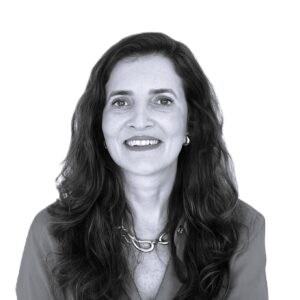
Valéria BARROS CÂMARA
CHEMYUNION / Business Development Director – EMEA
SPAIN
A Postbiotic Lactobacillus Ferment Lysate Modulates Melanocyte Stem Cell Niche Genes and Reduces Clinical Hair Graying Severity
This study evaluated Lactobacillus Ferment Lysate as an anti-aging hair active. In ex vivo models, the ingredient increased genes involved in melanogenesis, melanosome transfer, and melanocyte stem cell survival, resulting in a 43% increase in follicular melanin.
In a 120-day clinical study, it significantly reduced gray hair intensity, color heterogeneity, and brightness compared with placebo. No scalp irritation was reported, supporting its good tolerability and potential for anti-gray hair formulations.
BIOPIC
Valéria Barros Câmara is Business Development Director – EMEA at Chemyunion, with over 20 years of experience in the cosmetic ingredients and Personal Care industry. A Chemical Engineer with a postgraduate degree in Marketing, she has extensive international experience in business development, innovation, and market expansion across Europe, Latin America, and Asia.

SETHIC
HONG-KONG
The Scalp Commensal Secretome as a Candidate Upstream Signal to the Neuro-immuno-cutaneous Network: Microbiome Rebalancing by a Lactobacillus/Soymilk Ferment Filtrate
The scalp microbiome interacts with the neuro-immuno-cutaneous (NIC) network. This study investigates how Lactobacillus/Soymilk Ferment Filtrate (LSFF) rebalances scalp microbiota and influences commensal-mediated responses.
Through microbiome profiling, cellular and neuronal assays, and clinical evaluation, the findings showed changes in microbial composition, barrier-related markers, inflammatory responses, neuronal activity, and clinical scalp parameters. These results suggest a potential upstream role for microbiome modulation in the NIC network, with implications for scalp homeostasis.
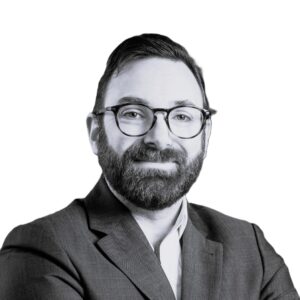
Emmanuel COSTE
EXSYMOL / Scientific Communication Manager
MONACO
A Microbiota-inspired Trace Amine Derivative restores Tissue Repair by mimicking Host–microbiota Neurochemical Dialogue
Skin repair relies on molecular crosstalk between microbiota, skin cells and the nervous system. Skin commensal bacteria generate trace amines (TA) capable of modulating β2-adrenergic receptor (β2-AR) signaling which is disrupted during epinephrine-mediated psychological stress.
A cosmetic-grade TA-mimic acts as a β2-AR partial antagonist capable of negating epinephrine-mediated effects of psychological stress on skin, thus restoring wound healing capacities and preventing premature aging.
This biomimetic approach opens new perspectives for improving skin resilience to stress.BIOPIC
With a PhD in Cell Biology from the University of Edinburgh (Scotland, UK), Emmanuel Coste joined EXSYMOL in 2011. Today, as Scientific Communication Manager, he uses his scientific expertise and strong technical and business-oriented perspective to promote EXSYMOL’s innovative cosmetic active ingredients worldwide.
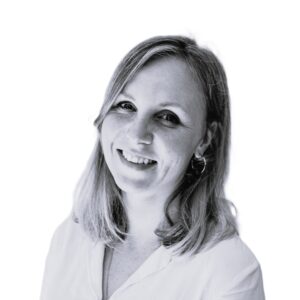
Tatiana KONDAKOVA
CRODA BEAUTY / Research Pole Leader In Vitro Research Department
FRANCE
A Multidimensional Framework reveals Long-chain Ceramides as Key Regulators of Scalp Homeostasis and Hair Follicle Function
Long-chain ceramides were investigated using a multidimensional evaluation framework integrating hair follicle biology, scalp barrier function, microbiome ecology, hair fiber integrity, and clinical assessment.
Results demonstrated improved follicular activity, enhanced resilience to oxidative, inflammatory, and environmental stress, microbiome rebalancing, and recovery of damaged hair fibers. Clinical studies confirmed scalp soothing, reduced desquamation, and improved hair quality. These findings highlight long-chain ceramides as key regulators of scalp homeostasis and support a holistic approach to hair–scalp ecosystem longevity.
BIOPIC
Tatiana Kondakova, PhD, is a Research Pole Leader in the In Vitro Research Department at Croda Beauty. Her work focuses on skin biology and scalp and skin microbiome research, supporting the development and scientific substantiation of innovative cosmetic ingredients.

Damien TRUFFIN
ROQUETTE / Health & Pharma Senior Research Manager
FRANCE
Decoding the Hair–Scalp Living Network Through a Bio-Based Succinic Acid: Connecting Sebogenesis, Microbial Ecosystem Regulation, Follicular Biology and Hair Fiber Integrity
This study investigated the effects of a bio-based succinic acid on the scalp-hair living ecosystem. Using cellular, tissue, and ex vivo models, it reduced androgen-induced sebogenesis, promoted physiological desquamation, preserved skin barrier integrity, and inhibited Malassezia growth.
In parallel, it enhanced key markers of hair follicle activity and improved the mechanical properties of hair fibers. These findings highlight its potential as a multifunctional active ingredient to restore scalp homeostasis and support overall hair health and quality.
BIOPIC
Damien Truffin holds a PhD in Toxicology from the Faculty of Pharmacy of Lille and is a European Registered Toxicologist (ERT). He has nearly 25 years of experience in pharmaceutical research and development, spanning both human and veterinary health. Since 2026, he has served as Health & Pharma Senior Research Manager at Roquette, where he leads early-stage innovation and value-proving activities for pharmaceutical and cosmetic applications. Prior to this role, he was Toxicology, Pharmacology and Ecotoxicology Expert at Roquette and spent more than 15 years heading R&D programs in the veterinary pharmaceutical industry. His expertise covers preclinical development, cosmetic, toxicology, pharmacology, bioavailability, translational research, and the design of in vitro and in vivo models. Throughout his career, he has contributed to the development of innovative health solutions ranging from excipients and active ingredients to pharmaceuticals, cosmetic, nutrition and biotechnology products.

Arthur DERVILLEZ
LORETTA BIOTECH / Founder & CEO
FRANCE
Linking Scalp Biophysical Condition, Corneocyte Nanotexture, and Hair Fiber Surface During Moisturizing Care
This study investigates the relationships between scalp biophysical condition, corneocyte nanotexture, and hair fiber surface following repeated use of a moisturizing treatment. Atomic force microscopy (AFM) revealed reduced corneocyte roughness and circular nano-object density, alongside improved hair cuticle uniformity and regularity.
These findings highlight the value of a multiscale approach combining scalp biophysical measurements and nanoscale surface characterization to objectively assess the overall efficacy of scalp and hair care products.
BIOPIC
Arthur Dervillez is the founder and CEO of Loretta, which he has led for two year while spearheading multiple R&D projects within the company. A former PhD student at DTU Health Tech, he was a doctoral candidate in bioanalysis with extensive research experience in detecting and analyzing biological properties for innovative cosmetic applications. With seven years of expertise in biophysical methods and team management, Arthur brings a strong scientific and strategic vision to the development of next-generation cosmetic analysis solutions

Laura BERTRAND
VYTRUS / Business Development Manager
SPAIN
A Plant-derived Recombinant Human Protein re-educates Hyperreactive Skin via Langerhans Cells Tolerogenic Reprogramming
Urban pollution drives the immune hyperreactivity behind sensitive skin, which 60–70% of consumers report. This work evaluated a plant-produced recombinant human GM-CSF designed to restore Langerhans cell-mediated immune tolerance.
In a pollution-challenged epidermis model, it normalized inflammatory markers, enhanced tolerogenic mediators and restored barrier proteins, without dexamethasone-like over-suppression. Two 28-day double-blind, placebo-controlled clinical studies showed redness reductions of up to 65.3% and improved functional signs in all panelists. The protein re-educates, rather than suppresses, the skin’s immune response.
BIOPIC
Laura Bertrand is a Food Science engineer (Polytech Montpellier) with a Masters’ Degree in Marketing of Innovative Technologies (IAE Toulouse). She has 10 years’ experience in the cosmetics industry in marketing and sales, mainly for natural active ingredients in the European market. She is passionate about sustainability, nature and wellbeing.
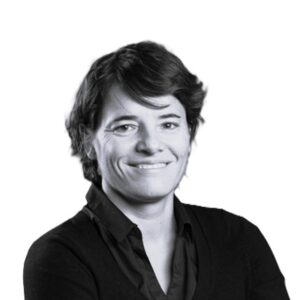
Gaëlle BELLEMERE
INNOSYA COSMETIC INGREDIENTS / Cosmetics R&D Director
FRANCE
Nature as a Partner in Cosmetic Biotechnology: Fermentation-derived Salidroside as a Bioengineered Active for Stressed Skin
Biotechnology overcomes limitations of direct botanical sourcing (variability, sustainability) by producing nature-identical actives like salidroside – a CITES-protected Rhodiola rosea compound – via engineered E. coli.
This precision fermentation yields a pure, consistent ingredient with proven efficacy: antioxidant, anti-inflammatory, anti-aging (sirtuin activation, reduced senescence), and stress-relieving (lowering skin cortisol). Clinical trials confirmed its benefits for stressed skin. This approach transforms rare natural molecules into controlled, high-performance cosmetic solutions.
BIOPIC
Dr. Gaëlle Bellemère, a Neuroscience PhD, leverages 20 years of experience in the pharmaceutical and cosmetics industries to lead R&D at Innosya, Lesaffre International’s dedicated cosmetic ingredients division. At Innosya, she explores the potential of microorganisms, biotechnology, and fermentation to develop innovative cosmetic ingredients.As Head of R&D, Dr. Bellemère defines the scientific vision and drives the research programs that transform microbial resources into cutting-edge skincare solutions.
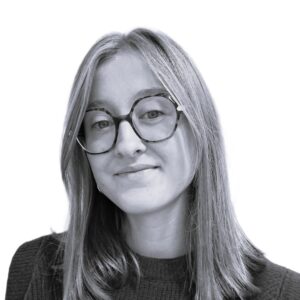
Clémence MARTIN
University LE HAVRE NORMANDIE / PhD
FRANCE
From Molecular Structure to Skin Barrier Function: Understanding Emollient Effects in a Bio-inspired Stratum Corneum Lipid Matrix
Emollients are widely used in cosmetics, although their interactions with stratum corneum lipids remain poorly understood. Using a bioinspired lipid matrix mimicking the skin’s lipid cement, we investigated how ester structure influences lipid organisation.
This work revealed that esters affect the lipid matrix to varying degrees depending on their molecular structure. While some esters caused minor disruptions, others promoted more pronounced lipid reorganisation. These findings provide new insights into ester-lipid interactions and facilitate the rational selection of emollients according to the application.
BIOPIC
Clémence Martin completed a specialised Master’s degree in cosmetic chemistry in 2024. She is about to begin the final year of her CIFRE PhD, in partnership with Stéarinerie Dubois, a company specialising in esters production, and the URCOM laboratory at the University of Le Havre Normandy. Her PhD research aims to improve understanding of interactions between emollients and the stratum corneum.
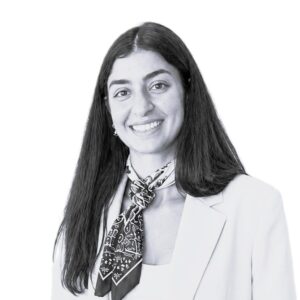
Marielle LTEIF
University of ORLÉANS / PhD
FRANCE
Molecular and Structural Insights into Plant-Derived Dye–Fiber Interactions
Natural dyes are regaining popularity over synthetic ones due to environmental and health concerns, yet how they color hair remains poorly understood. This study combines a synthetic model system (UV-visible, LC-MS, NMR) with direct analysis of intact hair fibers (microscopy and spectroscopy) to characterize molecular and structural changes during plant-based coloration.
Preliminary results show natural dyes interact with the hair matrix beyond surface adsorption, supporting their potential as sustainable, safer alternatives to synthetic cosmetic formulations.
BIOPIC
I’m Marielle Lteif, a third-year PhD student pursuing an industrial (CIFRE) doctorate in partnership with two laboratories in Orléans, CEMHTI and ICOA. My research aims to understand the mechanisms of interaction between natural dyes and hair. I hold Master’s degrees in analytical chemistry and formulation engineering from Lille. I am passionate about nature, plant science and everything related to hair.

Lucia RICCI
University of NAPLES FEDERICO II / Postdoctoral Researcher
ITALIA
Partnering with Nature Through Plant Cell Culture: Hyssopus officinalis to Support Skin Barrier Homeostasis
The skin barrier is a dynamic biological network essential for maintaining skin homeostasis. This study explores Hyssopus officinalis plant cell culture extract as a sustainable source of cosmetic bioactives for skin wellness.
Combining chemical characterization with in vitro, ex vivo and exploratory clinical studies, the extract reduced oxidative stress, promoted ceramide biosynthesis and improved skin hydration while reducing transepidermal water loss. These findings highlight the potential of plant cell culture technology to provide reproducible sources of bioactive compounds that support skin barrier homeostasis.
BIOPIC
Lucia Ricci is a Postdoctoral Researcher at the Department of Pharmacy, University of Naples Federico II, Italy. Her research focuses on bioactive compounds from natural sources for skin care applications, integrating chemical characterization with biological studies to elucidate mechanisms of action and assess cosmetic efficacy. Her work addresses the potential of natural ingredients to support skin health through in vitro, ex vivo and exploratory clinical studies.